From keeping food at the right temperature until it’s ready to be prepared to washing a week’s worth of laundry, appliances play a huge role in everyday life. And most homeowners do not give much thought to how much energy these appliances use or how efficiently they operate. However, as energy costs rise and sustainability becomes a bigger priority, efficiency becomes an important factor in choosing and maintaining common household appliances.
One of the most common questions homeowners ask is whether gas or electric appliances are more efficient, more cost-effective, or better suited for their homes. The answer isn’t always straightforward. Each option comes with its own advantages, limitations, and performance characteristics. Thankfully, understanding the differences between gas and electric appliances can help homeowners like you make smarter choices and keep their appliances running at peak performance for years to come.
How Gas Appliances Work & Where They Excel in Efficiency
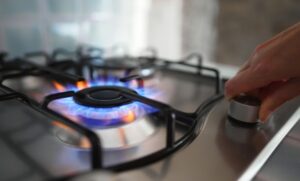
Gas appliances operate by burning natural gas or propane to generate heat. This direct heat source allows many gas appliances to perform tasks quickly and efficiently, particularly when high temperatures are required.
Where Gas Appliances Shine
Gas appliances are often favored for their immediate heat output and consistent performance. For example, gas ranges heat cookware almost instantly, giving homeowners precise temperature control while cooking. Gas dryers also tend to dry clothes faster because the heat is produced directly rather than gradually built up through electrical heating elements.
In terms of efficiency, gas appliances often convert a high percentage of their fuel directly into usable heat. This means less energy is wasted during the heating process. In homes with access to natural gas, this can translate into lower operating costs.
Potential Efficiency Drawbacks
While gas appliances can be highly efficient, their performance depends on proper combustion, airflow, and venting. Issues such as clogged burners, faulty igniters, or restricted gas lines can reduce efficiency and increase energy consumption. So, the key thing to note here is that when gas appliances aren’t maintained properly, they may burn fuel inefficiently, leading to longer run times and higher utility bills.
The Efficiency Advantages of Electric Appliances
Electric appliances use electricity to power motors, heating elements, or electronic controls. Advances in appliance technology have significantly improved the efficiency of electric models in recent years, making them a strong competitor to gas appliances in many homes.
Consistency and Precision
One of the biggest efficiency advantages of electric appliances is consistent energy delivery. For example, electric ovens maintain steady temperatures, dishwashers use precisely controlled heating cycles, and electric refrigerators rely on efficient compressors and sensors to regulate cooling.
Modern electric appliances are also often designed with energy efficiency in mind, featuring advanced insulation, variable-speed motors, and smart technology that adjusts energy use based on demand. These features help reduce wasted energy while maintaining strong performance.
Cleaner Energy Options
Electric appliances also offer flexibility when it comes to energy sources. Homes that use renewable electricity, such as solar power, can further enhance efficiency and reduce overall energy costs. Additionally, electric appliances do not require ventilation for combustion, which can reduce heat loss and improve overall household efficiency.
When Efficiency Suffers
Electric appliances can lose efficiency when heating elements wear out, sensors fail, or motors become overworked. For instance, a malfunctioning thermostat in an electric oven or a failing compressor in a refrigerator can cause the appliance to use more energy than necessary, even if it appears to be working normally. The good news is that preventative appliance maintenance can help you stay on top of these issues before they cause your energy bills to spike exponentially.
Common Efficiency Problems Affecting Both Gas and Electric Appliances
Regardless of whether an appliance runs on gas or electricity, efficiency problems can develop over time. Wear and tear, lack of maintenance, and minor component failures often lead to increased energy usage and reduced performance.
Some of the most common efficiency-related issues include:
- Dirty or clogged components that restrict airflow or heat transfer
- Worn-out seals or gaskets that allow heat or cold air to escape
- Faulty sensors or thermostats that cause appliances to overwork
- Aging parts that no longer operate at optimal levels
When these issues go unnoticed, appliances may take longer to complete cycles, struggle to maintain set temperatures, or run more frequently than necessary — all of which drive up energy consumption.
Why Proper Repairs and Maintenance Matter for Appliance Efficiency
No matter which type of appliance you own, proper repairs and regular maintenance are key to maintaining efficiency. In fact, even the most energy-efficient appliance can lose its advantage if it’s not functioning correctly.
Professional appliance repairs address the root cause of inefficiency rather than masking the symptoms. Replacing worn components, recalibrating controls, and cleaning internal systems, for example, can restore appliances to near-original performance levels. In many cases, a timely repair can even significantly reduce energy usage and extend the life of the appliance.
Preventative maintenance plays an equally important role. Routine inspections allow technicians to catch small issues before they become major problems. This proactive approach helps appliances operate smoothly, minimizes unexpected breakdowns, and keeps energy consumption in check.
Trust FixEm Appliance Repair to Maximize Appliance Efficiency
No matter where you fall on the gas vs. electric appliances debate, our skilled technicians can diagnose issues, restore performance, and help your appliances run as efficiently as possible through expert repairs and preventative maintenance. From fine-tuning gas burners to repairing electric heating elements and motors, our team understands how to optimize efficiency across all appliance types.
If you’re concerned about appliance efficiency or want to ensure your appliances are operating at their best, contact FixEm Appliance Repair today. Our expert team proudly serves homeowners in Alameda County and Contra Costa County, CA, and is ready to get your appliances back on track.